



Adrenergic Receptor
Beta Receptor
Adrenergic receptors are a class of G protein-coupled receptors that are targets of the catecholamines, especially norepinephrine and epinephrine. Many cells possess these receptors, and the binding of a catecholamine to the receptor will generally stimulate the sympathetic nervous system. The sympathetic nervous system is responsible for the fight-or-flight response, which includes widening the pupils of the eye, mobilizing energy, and diverting blood flow from non-essential organs to skeletal muscle. There are two main groups of adrenergic receptors, α and β, with several subtypes. α receptors have the subtypes α1 and α2. β receptors have the subtypes β1, β2 and β3. All three are linked to Gs proteins, which in turn are linked to adenylate cyclase. Agonist binding thus causes a rise in the intracellular concentration of the second messenger cAMP. Downstream effectors of cAMP include cAMP-dependent protein kinase (PKA), which mediates some of the intracellular events following hormone binding.
Adrenergic Receptor Isoform Specific Products
All Product Categories
-
Adrenergic Receptor Inhibitors
(267)
View all products
-
Adrenergic Receptor Agonists
(502)
View all products
-
Adrenergic Receptor Antagonists
(547)
View all products
-
Adrenergic Receptor Activators
(45)
View all products
-
Adrenergic Receptor Modulators
(19)
View all products
-
Adrenergic Receptor Degraders
(2)
View all products
-
Adrenergic Receptor Controls
(8)
View all products
-
Adrenergic Receptor Substrates
(3)
View all products
-
Adrenergic Receptor Ligands
(17)
View all products
-
Adrenergic Receptor Related Products (1628)
Related Products (1628)

-
Antibodies (4)
-
Adrenergic Receptor Isoform Comparison
-
Isoetharine
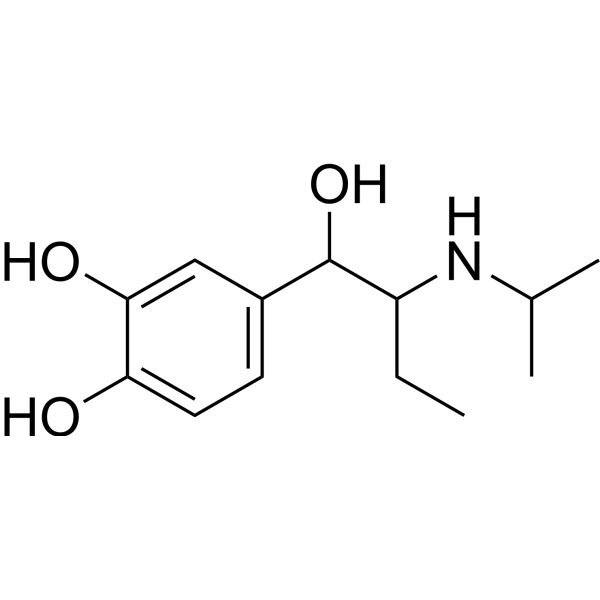 0 ImagesIsoetharine (Isoetarine) is an orally active selective agonist of β-adrenergic receptors. Isoetharine is a catechol-like agent and catechol O-methyltransferase (COMT) mediates its methylation. Isoetharine can promote the production of cAMP which stimulates the relaxation of smooth muscle cells and can be used as an emphysema, bronchitis and bronchodilator.
-
Timolol hemihydrate
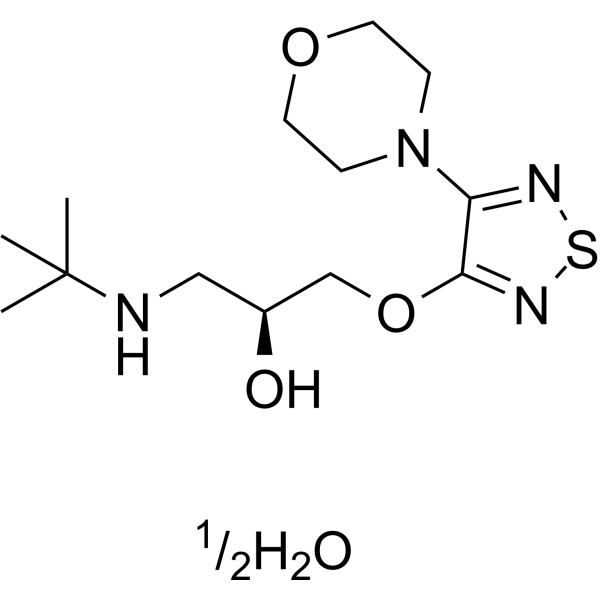 0 ImagesCat. No.: HY-17494ACAS No.: 91524-16-2Synonyms: (S)-L-714,465 hemihydrate; MK 950 hemihydrateTimolol (hemihydrate) is a β-blocker available for both topical and systemic administration. Timolol (hemihydrate) is primarily used to reduce intraocular pressure with open-angle glaucoma and ocular hypertension and Timolol (hemihydrate) also has cardioprotective effect.
-
CHF-6366
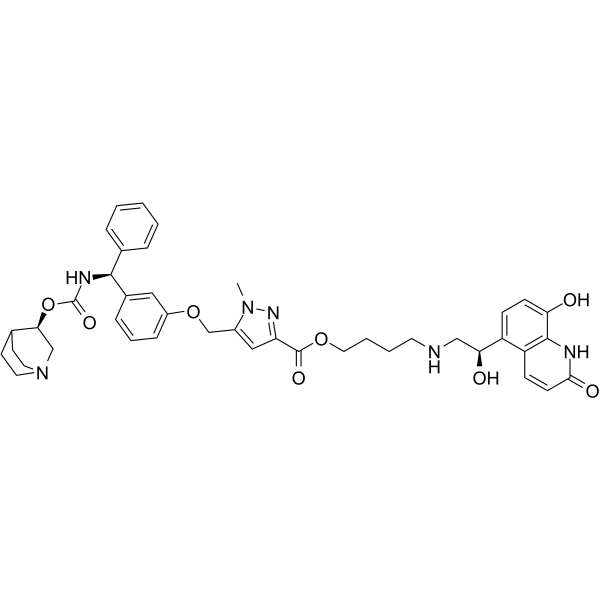 0 ImagesCat. No.: HY-151198CAS No.: 1615208-41-7CHF-6366 is a potent M3 muscarinic antagonist and β2-adrenergic receptors agonist with pKi values of 10.4 and 11.4, respectively. CHF-6366 is also a weak calcium channel inhibitor (IC50~50 μM). CHF-6366 inhibits bronchoconstriction in guinea pigs. CHF-6366 can be used to research chronic obstructive pulmonary disease (COPD).
-
Blonanserin dihydrochloride
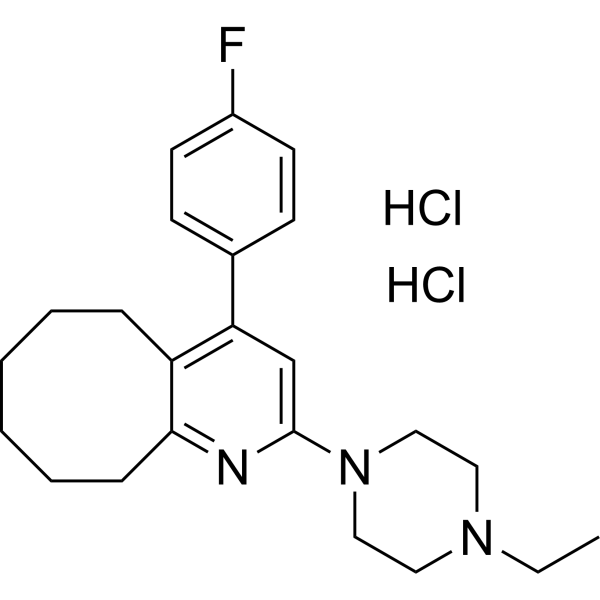 0 ImagesCat. No.: HY-13575ACAS No.: 132812-45-4Synonyms: AD-5423 dihydrochlorideBlonanserin dihydrochloride is a potent and orally active 5-HT2A and dopamine D2 receptor antagonist, with Ki values of 0.812 and 0.142 nM, respectively. Blonanserin dihydrochloride is usually acts as an atypical antipsychotic agent, and can be used for the research of extrapyramidal symptoms, excessive sedation, or hypotension.
-
(±)-Scopolamine
 0 Images(±)-Scopolamine (Atroscine) is the racemic modification of Scopolamine. (±)-Scopolamine inhibits α-adrenergic receptor activity. (±)-Scopolamine has Ki values of 33 μM and 7.25 nM for α1-adrenerg receptor and muscarinic cholinergic receptor, respectively.
-
Clenbuterol
 0 ImagesCat. No.: HY-B1615CAS No.: 37148-27-9Synonyms: NAB-365Clenbuterol (NAB-365) is a β2-adrenergic receptor agonist with an EC50 of 31.9 nM. Clenbuterol is a very potent inhibitor of the lipopolysaccharide (LPS)-induced release of TNF-α and IL-1β. Clenbuterol can inhibit the inflammatory process. Clenbuterol is a bronchodilator.
-
(R,R)-Reboxetine mesylate
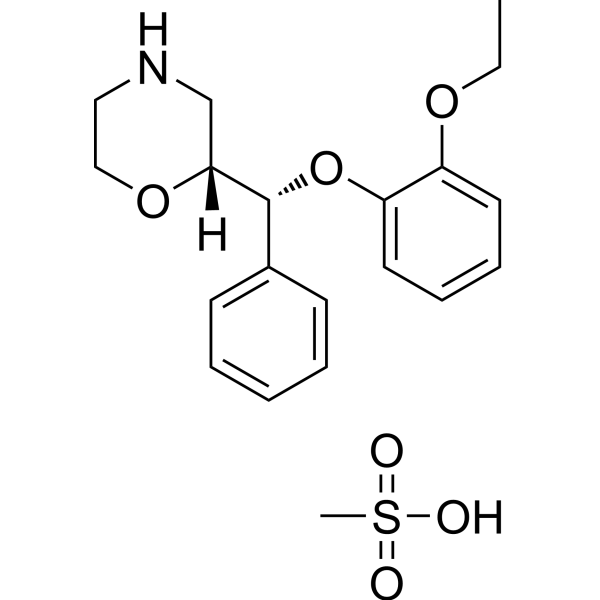 0 ImagesCat. No.: HY-14560ACAS No.: 105017-39-8Synonyms: (R,R)-FCE20124 mesylate; (R,R)-PNU155950E mesylate; (R,R)-(-)-Reboxetine mesylate(R,R)-Reboxetine mesylate is an antidepressant agent with great bioavailability. (R,R)-Reboxetine is the enantiomer of Reboxetine, which is a selective noradrenaline reuptake inhibitor. Reboxetine consists of (R,R) and (S,S) enantiomer, has low affinity for alpha-adrenergic and muscarinic receptors and low toxicity in animals.
-
Methoxamine
 0 ImagesMethoxamine is a selective alpha1-adrenergic receptor agonist. Methoxamine causes vasoconstriction and increased peripheral vascular resistance. Methoxamine hydrochloride significantly increased the overflow of ATP, ADP and AMP, but not adenosine, by a prazosin-sensitive mechanism in the rabbit pulmonary artery.
-
Sotalol
 0 ImagesSotalol is an orally active, non-selective β-adrenergic receptor blocker. Sotalol is a potent antiarrhythmic agent that can be used for the research of pediatric arrhythmias. Sotalol blocks β-receptors, and potassium KCNH2 channels. Antiepileptic Agent.
-
Vemtoberant mesylate
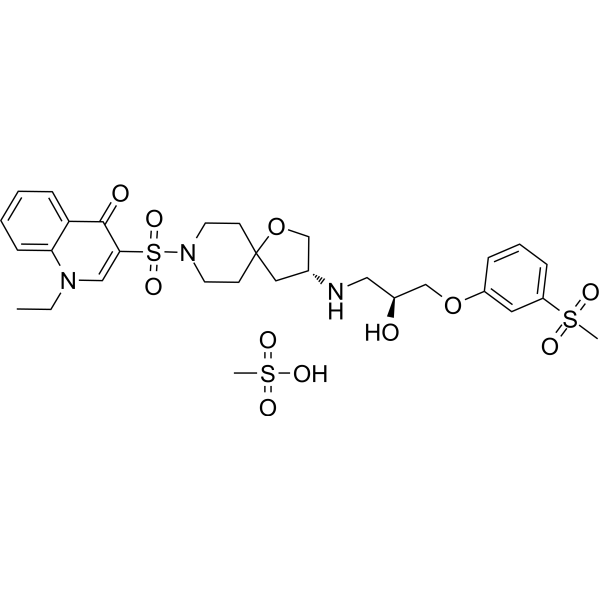 0 ImagesCat. No.: HY-148804ACAS No.: 2169905-97-7Synonyms: APD418 mesylateVemtoberant (APD418) mesylate is a β3-adrenergic receptor (β3-AR) antagonist with a human Ki of 8.2 nM, and exhibits 400- to 600-fold selectivity over human β1-AR and β2-AR. Vemtoberant mesylate attenuates β3-AR-mediated cardiac inhibition. Vemtoberant mesylate can be used for the research of systolic heart failure.
-
β3-AR agonist 1
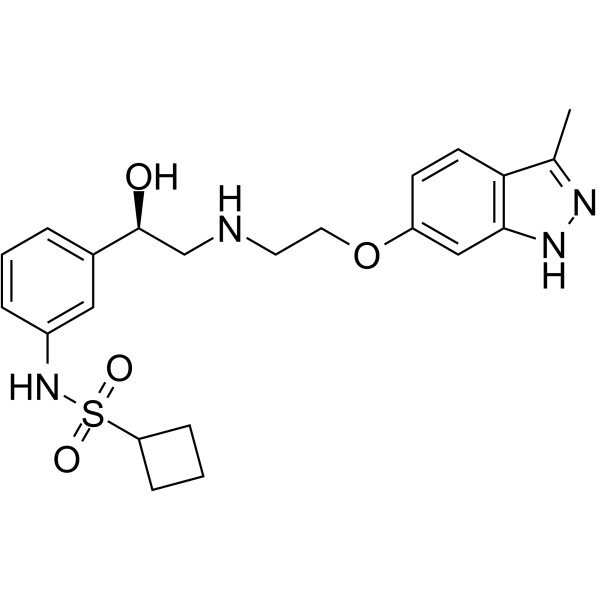 0 ImagesCat. No.: HY-101514CAS No.: 1283125-73-4β3-AR agonist 1 (compound 15) is a highly potent, selective, and orally available β3-adrenergic receptor (β3-AR) agonist (EC50=18 nM), being inactive to β1-, β2-, and α1A-AR (β1/β3, β2/β3, and α1A/β3>556-fold).
-
Trifluoperazine dimaleate
 0 ImagesTrifluoperazine dimaleate, an antipsychotic agent, acts by blocking central dopamine receptors. Trifluoperazine dimaleate is a potent α1-adrenergic receptor antagonist. Trifluoperazine dimaleate is a potent NUPR1 inhibitor exerting anticancer activity. Trifluoperazine dimaleate is a calmodulin inhibitor, and also inhibits P-glycoprotein. Trifluoperazine dimaleate can be used for the research of schizophrenia. Trifluoperazine dimaleate acts as a reversible inhibitor of influenza virus morphogenesis.
-
AGN-190851
 0 ImagesCat. No.: HY-165456CAS No.: 134892-42-5AGN-190851 is a potent and selective agonist of α2-adrenergic receptor (α2 adrenoceptor). AGN-190851 induces dose-dependent water diuresis in rats, and inhibits vasopressin V2 receptor in a species-dependent manner in vitro, thereby suppressing cAMP production. AGN-190851 enhances the contraction of porcine myometrium. AGN 190851 can be used in studies on renal diuretic mechanisms, pharmacology of α2-adrenergic receptor subtypes, and parturition.
-
Dobutamine tartrate
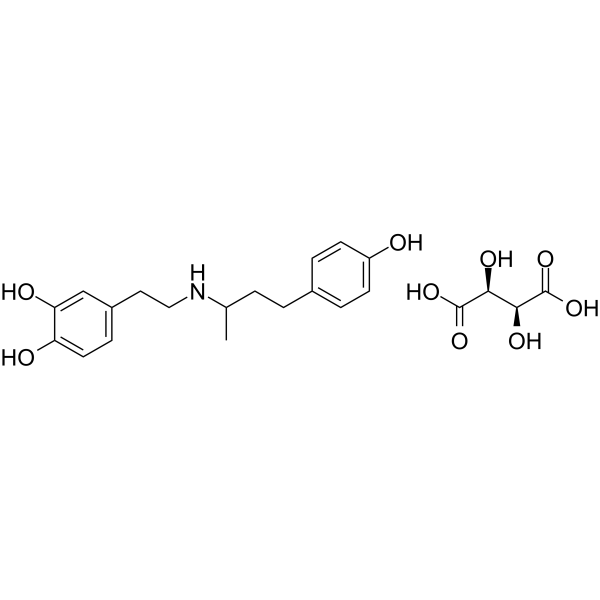 0 ImagesCat. No.: HY-15746BCAS No.: 101626-66-8Dobutamine tartrate is a synthetic catecholamine that acts on α1-AR, β1-AR, β2-AR (α-1, β-1 andβ-2 adrenoceptors). Dobutamine tartrate is a selective β1-AR agonist, relatively weak activity at α1-AR and β2-AR. Dobutamine tartrate can increase cardiac output and correct hypoperfusion.
-
Bufuralol-d9 hydrochloride
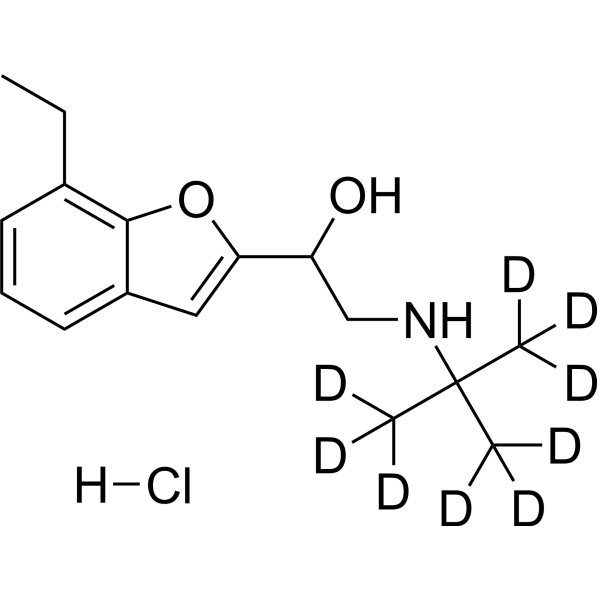 0 ImagesCat. No.: HY-105124SCAS No.: 1173023-51-2Synonyms: Ro 3-4787-d9 hydrochlorideBufuralol-d9 (hydrochloride) is the deuterium labeled Bufuralol hydrochloride.
-
(±)-Penbutolol-d9
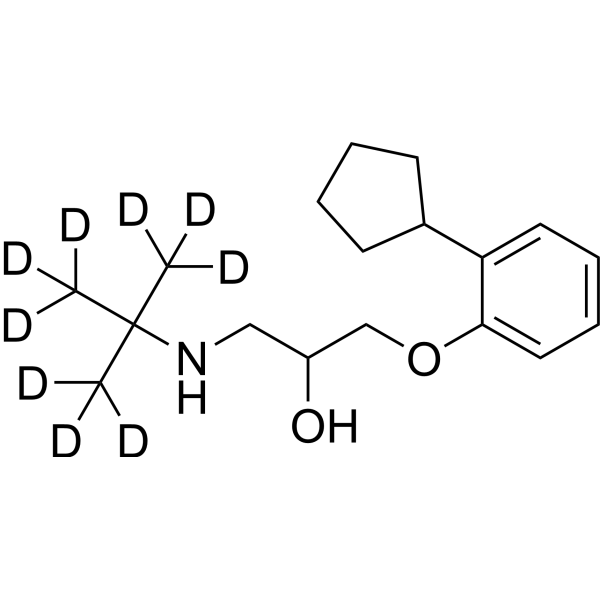 0 ImagesCat. No.: HY-116790BSCAS No.: 1346747-40-7Synonyms: (Rac)-Penbutolol-d9; (±)-Isopenbutolol-d9(±)-Penbutolol-d9 is the deuterium labeled (±)-Penbutolol.
-
Paliperidone-d4
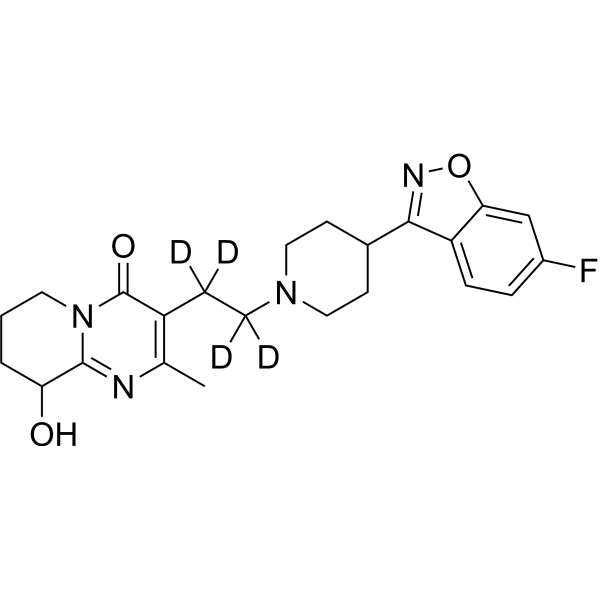 0 ImagesCat. No.: HY-A0019SCAS No.: 1020719-55-4Paliperidone-d4 is the deuterium labeled Paliperidone. Paliperidone (9-Hydroxyrisperidone), the major active metabolite of Risperidone, is a dopamine D2 antagonist and 5-HT2A antagonist. Paliperidone is also active as an antagonist at α1 and α2 adrenergic receptors and H1-histaminergic receptors. Paliperidone, a antipsychotic agent, shows efficacy against schizophrenia.
-
(R)-Propranolol-d7
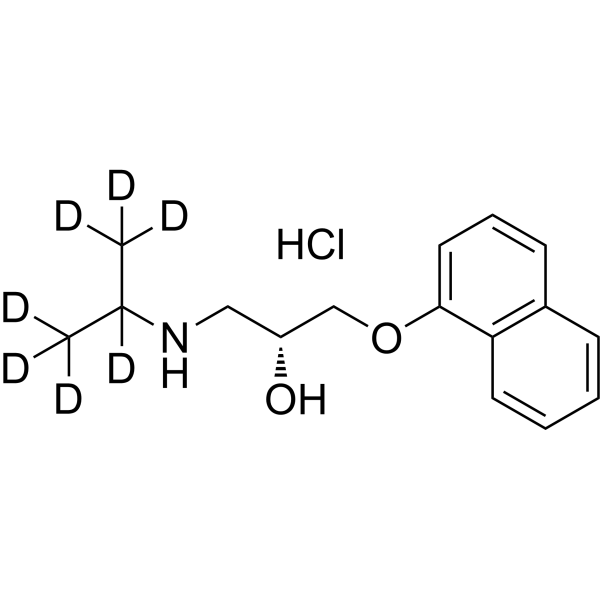 0 ImagesCat. No.: HY-B0573CSCAS No.: 1346617-25-1(R)-Propranolol-d7 is the deuterium labeled (R)-Propranolol.
-
Desipramine-d3
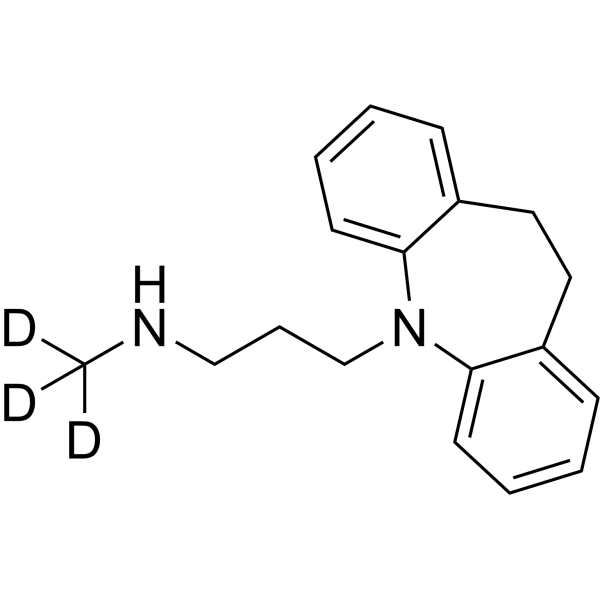 0 ImagesCat. No.: HY-B1272AS1CAS No.: 65100-49-4Desipramine-d3 is the deuterium labeled Desipramine (HY-B1272A). Desipramine is a first-generation tricyclic antidepressant. Desipramine selectively binds to norepinephrine transporter and blocks neuronal norepinephrine reuptake. Desipramine activates MAPK signaling via ERK1/2, JNK, and p38, represses NF-κB and AP-1 activity, and induces apoptosis via ROS elevation, mitochondrial membrane potential reduction, and intracellular calcium increase. Desipramine also shows anyi-inflammatory activity, inhibiting TNF-α production. Desipramine can be used for the research of hepatocellular cancer, inflammation, and neurological diseases.
-
(S)-Metoprolol-d7
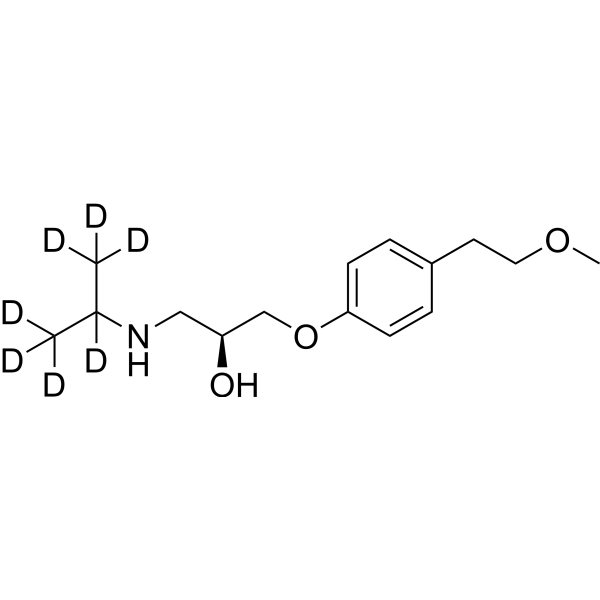 0 ImagesCat. No.: HY-17503S2CAS No.: 1292906-91-2(S)-Metoprolol-d7 is the deuterium labeled Metoprolol. Metoprolol (Toprol) is a selective β1 receptor blocker used in treatment of several diseases of the cardiovascular system, especially hypertension[1][2].




